



SumiPred: Predicting Agitator Mechanical Seal Leakege with Anomaly Detection
Mechanical seal failures on agitators and stirred tank reactors present major operational risks, including unexpected downtime and product loss. Standard vibration monitoring often misses early, micro-level signs of seal degradation.
SumiPred, an advanced mechanical seal condition monitoring system for agitators,
combines high-frequency Acoustic Emission (AE) sensing with machine learning anomaly detection. By capturing microscopic tribological changes, the system identifies early potential seal issues before catastrophic failures occur.
Table of Contents
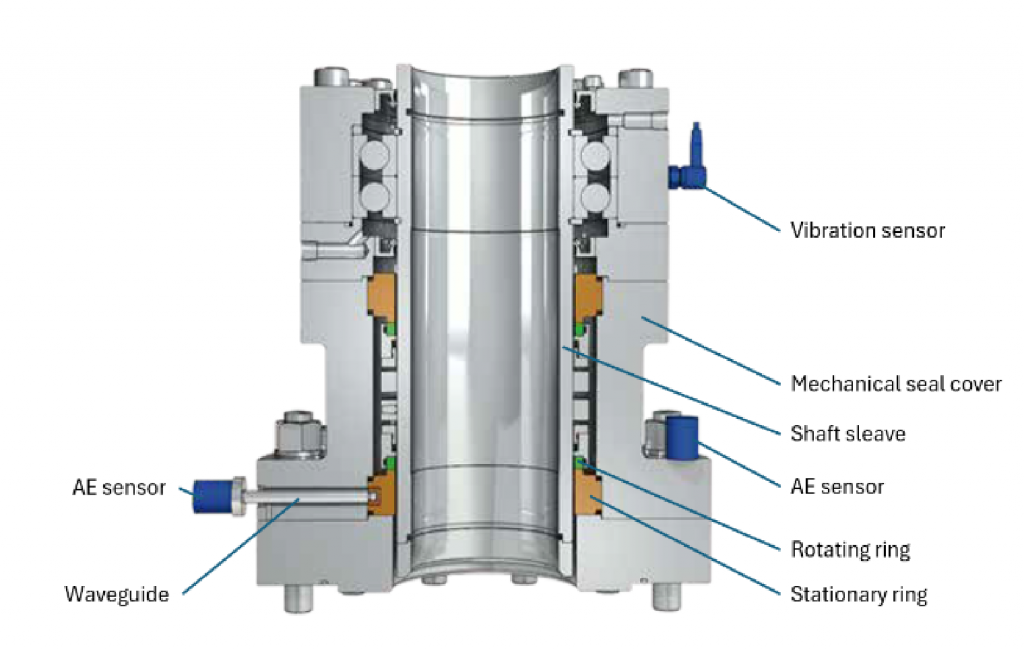
Figure 1: AE sensors mounted directly on the agitator mechanical seal housing or on the stationary ring by using waveguide.
The Critical Maintenance Challenges in Agitator Mechanical Seals
Invisible Sub-Micron Changes and Sudden Leakage
Gas leakage from mechanical seals is rarely the first sign of failure; instead, a sudden surge in seal fluid leakage into the vessel typically occurs first, usually triggered by sub-micron friction, surface wear, or microscopic contamination on the seal face. Standard vibration sensors (accelerometers) frequently fail to detect these minute initial anomalies because low-frequency mechanical vibrations mask subtle tribological degradation. Consequently, maintenance teams are caught off-guard by sudden seal fluid leaks, resulting in emergency shutdowns, batch contamination, safety hazards, and severe financial losses.
Over-Reliance on Skilled Personnel and Knowledge Transfer Barriers
Conventional seal maintenance relies heavily on the individual intuition and years of experience of veteran technicians. Inspection standards across plants are often unstandardized, relying on manual field walkthroughs and paper logbooks. As experienced maintenance personnel retire, plant managers face an urgent need to digitize, standardize, and streamline diagnostic workflows to ensure smooth technical inheritance.
What is Acoustic Emission (AE) Sensing?
Working Principle of Acoustic Emission (AE)
Acoustic emission (AE) is a phenomenon where elastic waves (AE waves) are generated when solid materials deform or break. By capturing these high-frequency elastic waves with specialized AE sensors, the system detects physical changes at the microscopic level—providing vastly superior sensitivity compared to conventional vibration sensors.
Vibration Sensors vs. AE Sensors
While conventional vibration sensors capture macro-level mechanical movement, AE sensors directly detect high-frequency elastic waves generated at the seal interface. This allows AE technology to identify minute tribological phenomena that have traditionally been difficult to detect with standard vibration sensors.
AI-Driven Continuous Monitoring & Anomaly Detection System
Anomaly Scores Calculated by Machine Learning Models
Detecting high-frequency AE waves produces massive volumes of complex time-series data. SumiPred utilizes custom-trained machine learning algorithms to process this data automatically, calculating a quantitative Anomaly Score and Stability Index. Operational health changes are visualized via intuitive time-series graphs, enabling local operators to understand seal condition trends instantly without requiring specialized data science expertise.
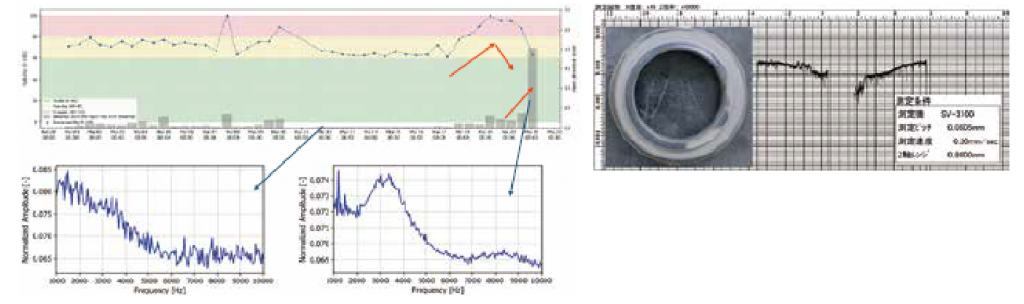
Figure 2: Data Diagnosis Report by SumiPred (sample).
Proprietary Signal Processing: Eliminating Environmental Noise
Process agitators operate in high-noise industrial environments where gearbox engagement, motor hum, and fluid turbulence create ambient interference. SumiPred employs proprietary analytical algorithms and combines AE sensors with supplementary vibration sensors. This dual-sensing architecture isolates internal mechanical seal anomalies from external mechanical noise, eliminating false alarms and delivering pinpoint diagnostic accuracy.
SumiPred System Configuration & Operational Overview
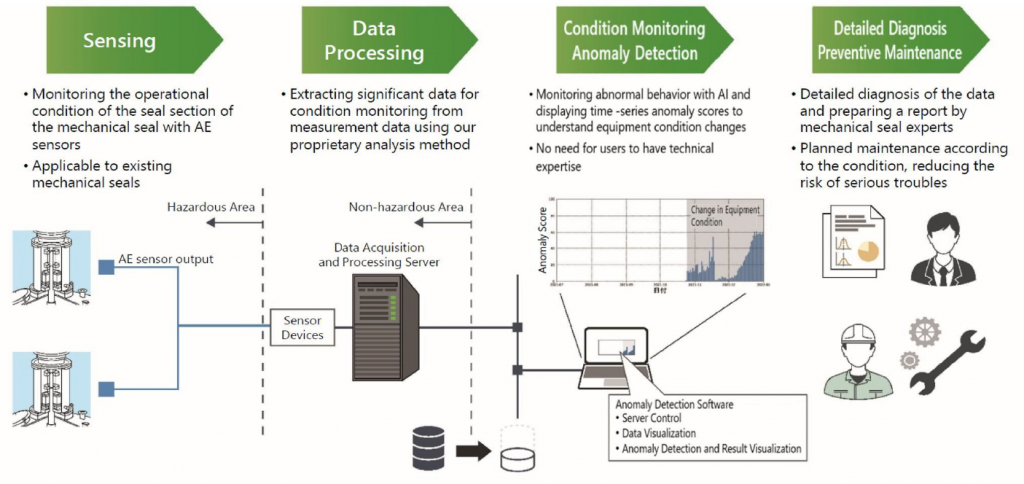
Figure 3: System Architecture of SumiPred
Safety-Oriented System Architecture
Designed for hazardous chemical environments, field AE sensors comply with major international explosion-proof standards (including IECEx, ATEX, and Japanese domestic certifications). Measurement data from hazardous zones is processed locally by dedicated edge servers and securely transmitted to SumiPred’s cloud platform via a secure, encrypted network infrastructure. SumiPred can be retrofitted onto existing mechanical seals (single, double, triple, and dry seals) without requiring major vessel redesigns or complete equipment replacement. Plants can implement advanced condition monitoring immediately on active production lines.
Streamlined Operational Flow & After Support
- Daily Monitoring
Automated daily report emails and web-based dashboard visualization keep plant managers informed remotely. - Expert Diagnostics
When elevated Anomaly Scores occur, mechanical seal specialists conduct in-depth data analysis and deliver technical diagnostic reports. - Actionable Maintenance
Recommendations feed directly into planned maintenance schedules, drastically reducing the risk of emergency shutdowns.
The Operational Value of SumiPred for Plant Maintenance
SumiPred transforms intuition-based agitator maintenance into a proactive, data-driven strategy. The matrix below highlights key plant challenges and the operational benefits of implementation.
Table1. Operational Challenges and Benefit of SumiPred Implementation
| Category | Operational Challenges |
Benefits of SumiPred Implementation |
|---|---|---|
|
Failure Prevention & Uptime |
Unplanned Downtime Late anomaly detection causes sudden mechanical seal breakdowns, resulting in unplanned plant halts and severe batch losses. | Avoid Unexpected Shutdowns Early degradation detection prevents catastrophic failures, protects product batches, and maximizes equipment uptime. |
| Premature Replacement Rigid calendar-based maintenance schedules lead to unnecessary downtime and premature seal replacements. | Extend Maintenance Intervals Enables Condition-Based Maintenance (CBM) to optimize seal replacement timing and lower total lifecycle costs. | |
|
Maintenance DX & Standardization |
Technician Dependency Inspection standards rely heavily on subjective intuition, creating technical inheritance and skill transfer barriers. | Standardize Diagnostics Replaces subjective checks with AI-driven numerical health scores for seamless technical inheritance. |
| Manual Field Walkthroughs Daily inspection routines require physical field walkthroughs and manual paper logbooks. | Digitalize Operations Continuous remote monitoring and cloud logging streamline inspection workflows and centralize health data. |
Related Mixing and Reactor Solutions
Explore complementary SHIPE-STC technologies for agitator, mixer, and stirred-reactor applications.
● MAXBLEND industrial mixing impeller – wide-viscosity mixing, heat transfer,
suspension, gas absorption, and energy-saving applications.
● BULLBLEND compact single-shaft mixer – low-power, low-shear, space-efficient
upgrades that can reuse existing drive units.
● PP / NOVOLEN polymerization reactor systems – large-scale helical-agitator and
polymerization-reactor applications.